


Cal/OSHA’s Process Safety Management (PSM) standard for oil refineries emphasizes the critical role employees play in preventing major chemical incidents.
August 4, 2026
By Sarah Beth Stein, PhD student in Community Health Sciences and LOSH Graduate Student Researcher
In 1989, after decades of advocacy by labor unions and worker advocates, OSHA released new guidelines encouraging employers to involve employees directly in efforts to ensure workplace safety.1 Specifically, the agency made it clear how important it is for employers to commit to worksite safety and for employees to be involved in decisions about safety and health. Unions had contributed to many worker involvement efforts prior to these guidelines, starting with the “walkaround right” in the 1970 OSH Act, which required employers to let their employees or representatives accompany OSHA officers on their inspections.2 But the new 1989 guidelines went beyond the 1970 rule by significantly expanding the concept of employee involvement: they encouraged workers to shape safety programs and weigh in on decisions that affect their health, even if employers still hold final responsibility.
Since then, both research and OHS practice have shown how employee involvement contributes positively to workplace safety. Workers offer unique firsthand perspectives on workplace hazards and may be able to pinpoint dangerous or unhealthy aspects of the job that are missed in an employer’s routine checks.3 For example, if a healthcare employer is creating a workplace violence prevention plan, employees might be aware of particularly isolated work areas or the fact that an exit door often gets stuck, keeping workers from escaping in an emergency. In this case, the employees’ input allows the employer to better understand the hazard and needed fixes to ensure a robust safety plan. In other instances, an employee may even recognize when it is important to stop work to prevent catastrophe, and they can share this knowledge with an employer to protect the safety of the entire workplace.4
Employee involvement also helps employees feel more invested in safety programs.5 If they are left out of the program design process, they might not agree with the employer’s policy, take it seriously, or support the employer in carrying it out properly. For example, the U.S. Chemical Safety and Hazard Investigation Board (CSB) published a report detailing how lack of employee participation contributed to four major chemical incidents.6 CSB found that workers’ lack of involvement in developing safety programs and poor understanding of safety procedures led to a fatal explosion at the Sierra Chemical Company. Additionally, workers had noted 31 near misses — all of which went unaddressed by the employer — before the 2010 Tesoro Anacortes Refinery disaster. According to CSB, lack of employee support had serious consequences in these cases. Alternatively, when employee contributions are valued and they are invested, they can make a safety program extremely successful.
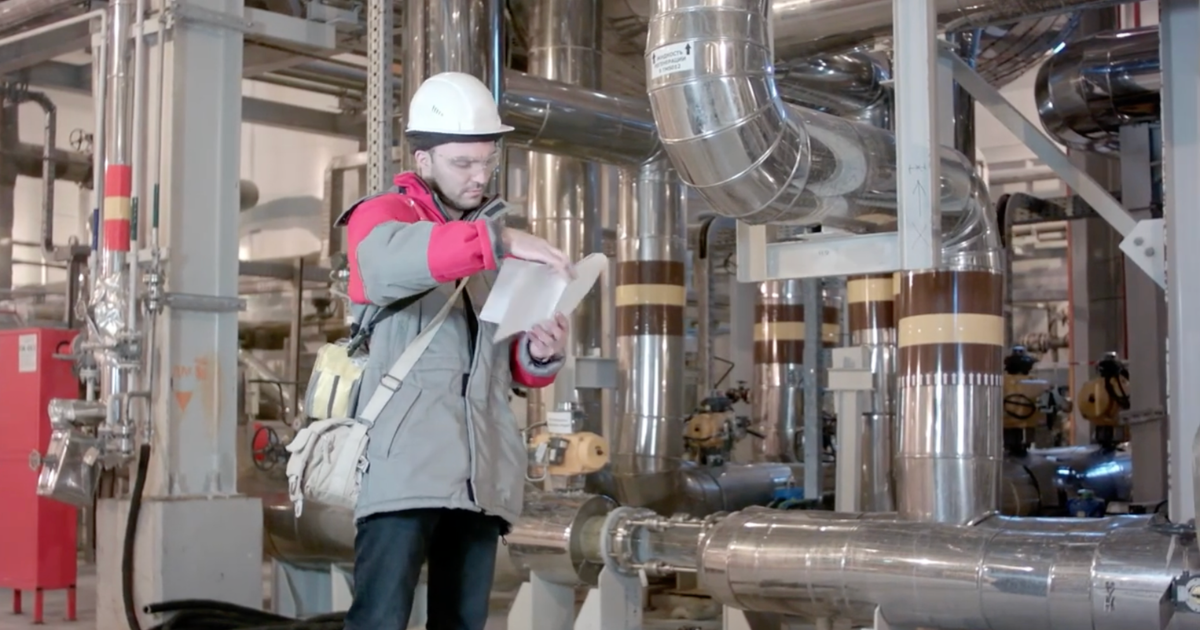
Employee involvement contributes to more effective workplace health and safety programs.
Because employee involvement protects employees, it is often now required by law. Employers are legally required to protect employees from work-related hazards that could cause them harm. To that end, many local or industry-specific standards developed since 1989 explicitly require employee participation. One example is Cal/OSHA’s Process Safety Management (PSM) standard for oil refineries,7 which emphasizes the importance of employees in preventing major chemical incidents. The standard was promulgated in 2017 and requires that employers keep a written action plan detailing how they will involve employees through PSM systems, including — but not limited to — analyzing hazards and hazard controls, managing process and organization changes, accessing documents, and implementing Stop Work procedures when necessary. Other standards with employee involvement requirements include Cal/OSHA’s standards for aerosol transmissible diseases,8 construction in confined spaces,9 and violence prevention in healthcare.10
Finally, employee involvement can help maintain the safety of both the worksite and the surrounding community. Based on this reasoning, the Environmental Protection Agency (EPA) — whose primary focus is generally not worker safety — has established that employee involvement is essential. With the Clean Air Act Amendments (CAAA) of 1990, the EPA required employers to consult with employees when assessing hazards and developing chemical accident plans.11 The EPA based its requirements on existing research that justified employee involvement for protection of industrial plants and surrounding communities. Then, with the Safer Communities by Chemical Accident Prevention (SCCAP) rule from early 2024, the EPA focused on using safer technologies and thorough incident investigations to protect communities from chemical accidents. SCCAP also provided recommendations for more than 10,000 industrial facilities to increase worker and union participation in ensuring and enhancing process safety.12 (In early 2026, President Trump’s EPA proposed a new rule to dismantle almost the entire SCCAP rule, including removing its worker participation provisions.)
Overall, employee involvement is key to a safe and healthy workplace. Employees have plenty of knowledge to offer about their jobs and workplaces, and safety plans and programs would not succeed without their support. Employers need employee involvement to follow the law and to increase community safety. To learn more about employee involvement, employers can look to resources such as the Z10.0 standard from the American Society of Safety Professionals (ASSP), which provides guidance on engaging employees in safety programs,13 or the Center for Chemical Process Safety (CCPS), which provides ways to increase employee engagement in safety through certificates, trainings, and leadership opportunities.14 While worker safety policies change over time, the benefits of employee involvement do not.
References
- Occupational Safety and Health Administration. Safety and health program management guidelines; Issuance of voluntary guidelines. Federal Register. 1989;54(16):3904-3916.
- Occupational Safety and Health Administration. Occupational Safety and Health Act of 1970. 1970:1590-1620.
- Story J, Kight J. Worker participation programs. Professional Safety. 2019;64(12):20-28.
- Bargaining for Stop Work Authority to Prevent Injuries and Save Lives. United Steelworkers Health, Safety & Environment Department; 2022.
- Michigan Occupational Safety and Health Administration, Michigan Department of Labor & Economic Opportunity. Employee involvement: Building a safety & health program. Presented at: Michigan Safety Conference; April 2022; Lansing, MI. https://michsafetyconference.org/wp-content/uploads/2022/04/Wed__1230_-1-of-3_Employee-Involvement-New-Presentation_LEO.pdf
- U.S. Chemical Safety and Hazard Investigation Board. Safety Digest: The Importance of Worker Participation. 2019:9. https://www.csb.gov/assets/1/6/worker_safety_digest.pdf
- California Department of Industrial Relations. Process Safety Management for Petroleum Refineries. 2017. https://www.dir.ca.gov/title8/5189_1.html
- California Department of Industrial Relations. Aerosol Transmissible Diseases. 2009. https://www.dir.ca.gov/title8/5199.html
- California Department of Industrial Relations. Confined Spaces in Construction: Employee Participation. 2015. https://www.dir.ca.gov/title8/1961.html
- California Department of Industrial Relations. General Industry Safety Orders: Violence Prevention in Health Care. 2016. https://www.dir.ca.gov/Title8/3342.html
- Occupational Safety and Health Administration. Process Safety Management of Highly Hazardous Chemicals; Explosives and Blasting Agents (to be codified at 29 CFR Part 1910.109). Federal Register. 1991;57(36):6356-6417.
- American Federation of Government Employees, American Federation of State, County and Municipal Employees, Communications Workers of America, et al. Joint Comments to the U.S. Environmental Protection Agency on the Accidental Release Prevention Requirements: Risk Management Programs under the Clean Air Act; Common Sense Approach to Chemical Accident Prevention Proposed Rule. 2026:43. https://njwec.org/wp-content/uploads/2026/05/RMP-Labor-Comments-Final-As-Submitted-to-EPA-Final.pdf
- American Society of Safety Professionals. OSH management (Z10). www.assp.org. Accessed June 26, 2026. https://www.assp.org/standards/standards-topics/osh-management-z10
- Kadri S, Amado CHO, Bitz J, et al. CCPS Annual Report. Center for Chemical Process Safety – An AIChE Technology Alliance; 2025.

